React Native, Flutter, one codebase

Hybrid app development that does not feel hybrid.

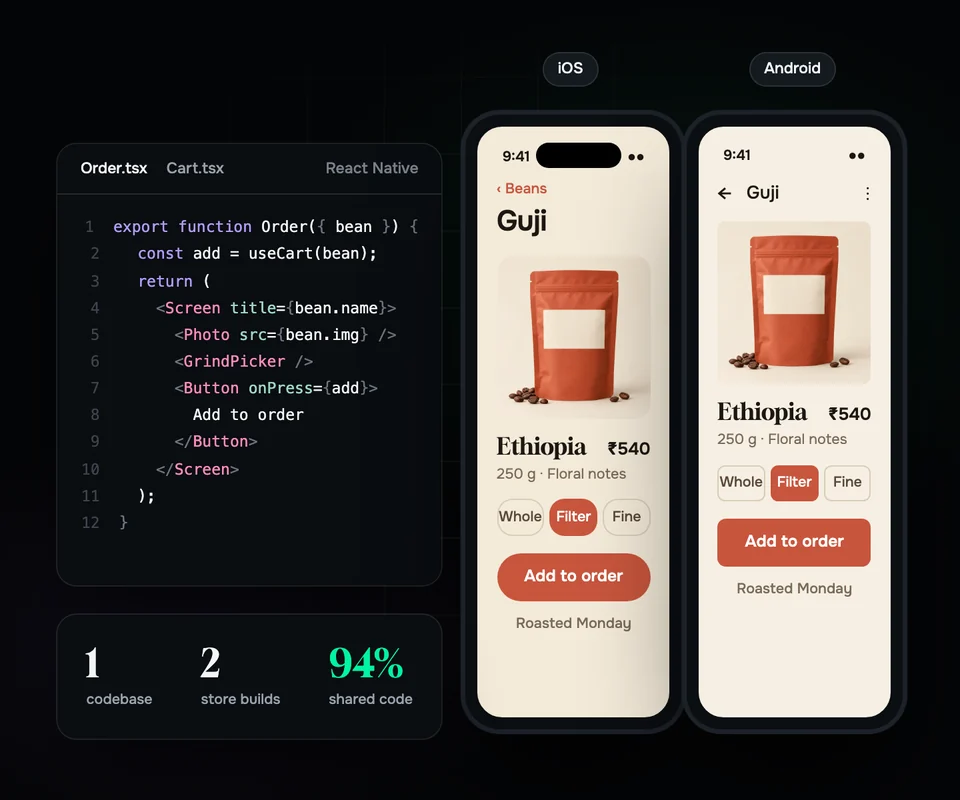
One React Native or Flutter codebase for both stores, with native Swift or Kotlin written only where the hardware demands it. Chosen on evidence rather than on what is cheaper for us to sell.

30-min call with a senior lead · Reply within 1 business day · NDA on request
150+

Projects shipped

10+

Years of team experience

20+

Countries served

9.9/10

Client score

01The approach

Our approach to hybrid app development.

Hybrid gets sold badly.

What one codebase gets you

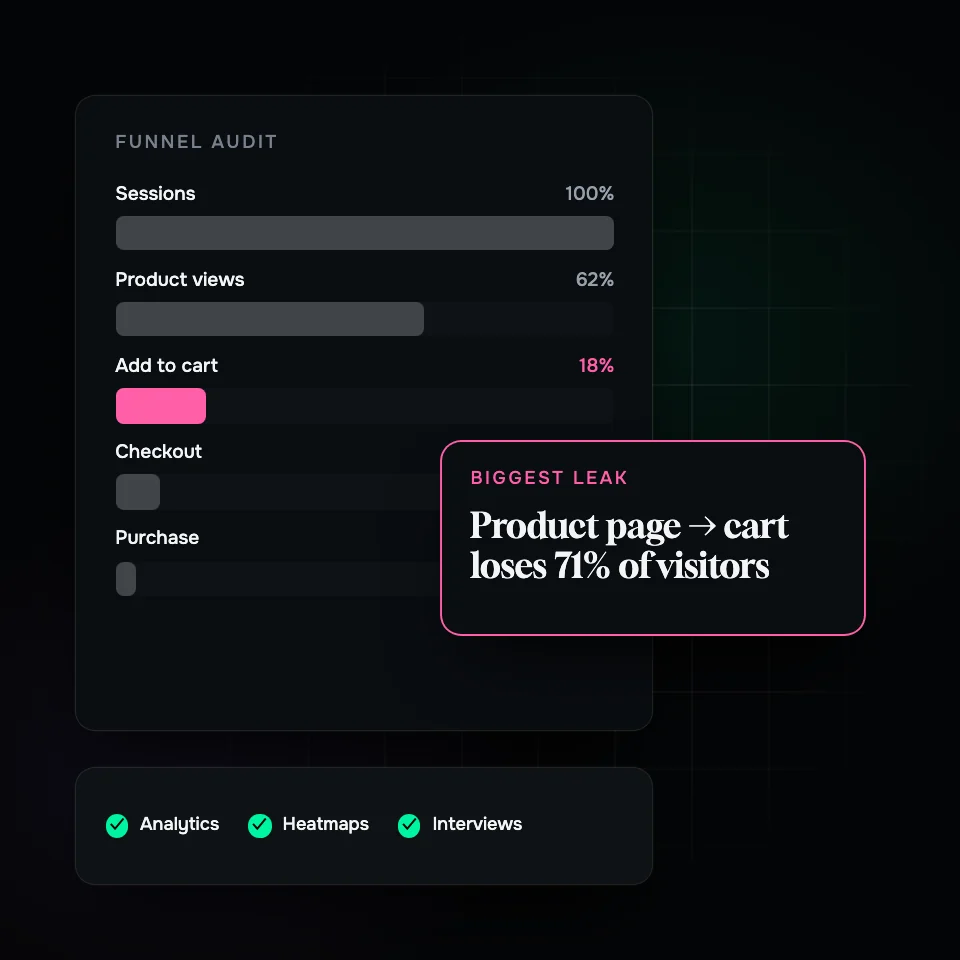
  • New users reach something useful fast90s to value
  • They come back on day thirty+41% retention
  • A cold start that feels instant-1.9s cold start
  • It keeps working in lifts and dead zonesOffline-first
  • Both stores reviewed and handled here100% pass rate
  • The same senior engineers, start to finish0 swaps
Read the full approach

It is offered as the cheap option, and then the app ships feeling like a website in a wrapper: scrolling that lags a beat behind your thumb, a keyboard that covers the field you are typing in, transitions that stutter on a mid-range phone.

None of that is inherent to React Native or Flutter. It is what happens when a team treats one codebase as permission to stop thinking about the platform. We build hybrid apps that use the native navigation patterns, respect the platform's gestures, and drop into Swift or Kotlin for the parts that genuinely need it, which is usually a smaller list than people expect.

The decision itself gets made in week one, and we cost native alongside hybrid so it is a comparison rather than an assumption. Roughly a third of the apps we ship end up native. We would rather tell you that in scoping than have you find out in month four.

Where hybrid stops being the right answer

  • Heavy on-device processing or real-time video
  • Background location running for hours
  • Deep platform integrations: HealthKit, widgets, watch
  • Animation that has to hold 120fps
  • A team that only knows one native platform

02Services

Two frameworks and one rescue route. Which fits depends on your team as much as your product.

Hybrid app development services we offer.

React Native development

The default when your team already writes JavaScript or TypeScript, or when you want the widest pool of engineers to hire from later. Native modules in Swift or Kotlin where the phone demands it.

Flutter development

The better choice when the interface is heavily custom or animation-led, and when pixel-identical rendering on both platforms matters more than matching each platform's own conventions.

Hybrid rescue

An existing React Native or Flutter app that lags, drops frames or has drifted from the platform conventions. We audit it and tell you whether it is fixable or whether it needs to go native.

Typical timeline10–14 weeks
10–14 weeks
6–10 weeks
Next stepQuoted per project after a free consultation.Discuss this route Discuss this route Discuss this route
React Native development

The default when your team already writes JavaScript or TypeScript, or when you want the widest pool of engineers to hire from later. Native modules in Swift or Kotlin where the phone demands it.

Timeline
10–14 weeks
Discuss this route
Flutter development

The better choice when the interface is heavily custom or animation-led, and when pixel-identical rendering on both platforms matters more than matching each platform's own conventions.

Timeline
10–14 weeks
Discuss this route
Hybrid rescue

An existing React Native or Flutter app that lags, drops frames or has drifted from the platform conventions. We audit it and tell you whether it is fixable or whether it needs to go native.

Timeline
6–10 weeks
Discuss this route

03Process

Our hybrid app development process.

Five stages, and the native-versus-hybrid decision is made in week one on costed evidence.

01DecideWeek 1

Hybrid or native, costed both ways. We scope the same product twice and put both numbers in front of you. If the requirements point at native we say so, even though the hybrid build is the one we would rather sell.

Both routes scoped and costedFramework chosen with reasonsDevice floor agreedFixed written scope
1wkDuration
2Routes costed
02DesignWeek 2–3

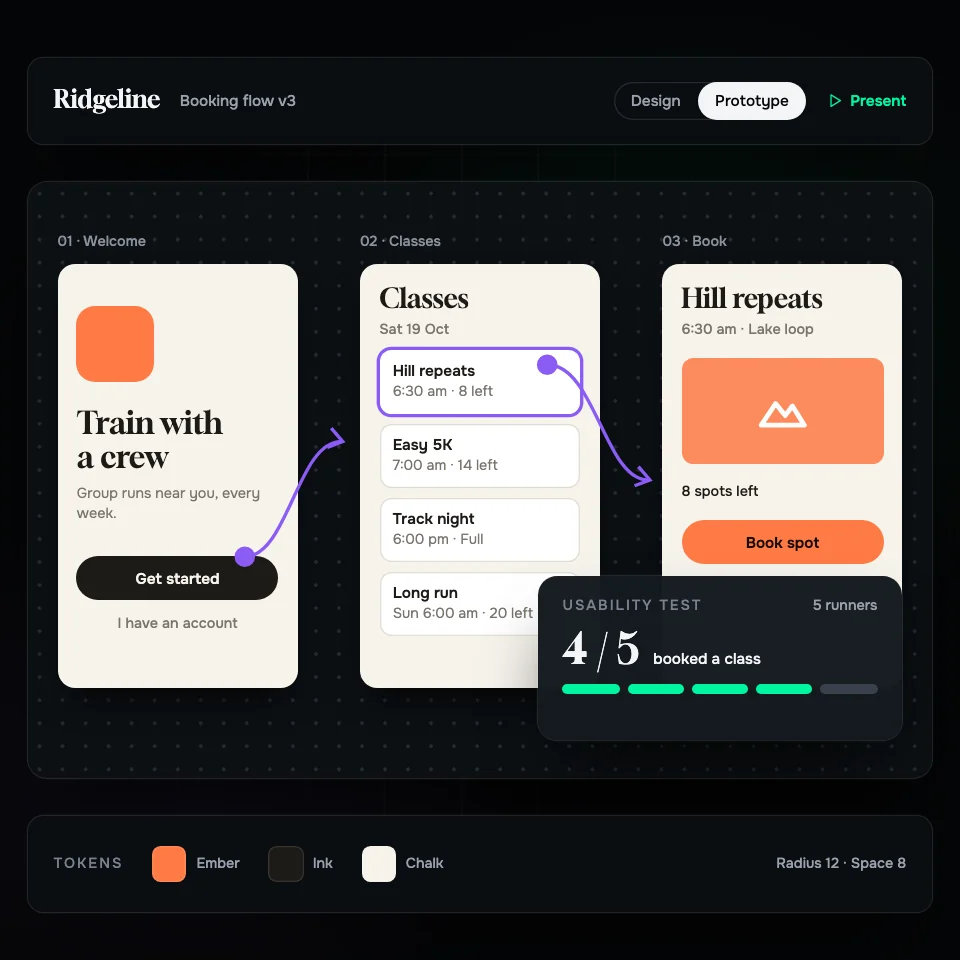
Two platforms, one design system. Screens drawn once, with the places each platform should diverge marked deliberately. Navigation and gestures follow the platform rather than a single compromise that suits neither.

Shared design systemPlatform divergences markedOnboarding flowTappable prototype
2wkDuration
1System, two platforms
03BuildWeek 3–10

One codebase, both stores, every fortnight. Builds land on TestFlight and the Play internal track together. Frame times and cold start are measured on the agreed floor device each cycle, because that is where hybrid degrades first.

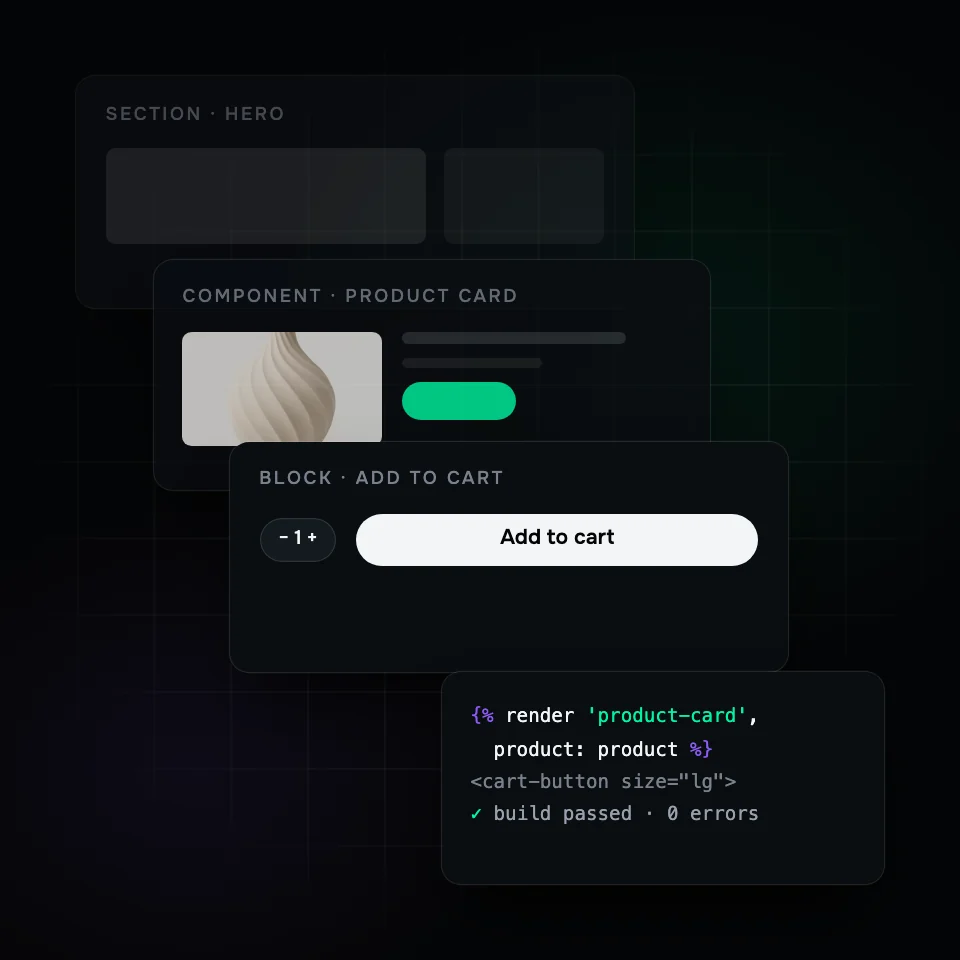
Fortnightly builds, both storesPerformance measured on the floor deviceNative modules where neededCode review on every change
7wkTypical
2Stores, one train
04SubmitWeek 10–12

Two reviews, handled here. App Store and Play have different rules, different forms and different timelines. We handle both submissions and answer both reviews rather than handing you two rejections to interpret.

Both listings and screenshotsPrivacy manifest and Data safety formBoth submissions handledDemo accounts for reviewers
1–2wkReview
2Stores
05WatchPost-launch

Two weeks of cover, then your call. Crash and ANR triage across both platforms, review responses, and the first read on where new users drop out. A retainer afterwards is optional.

Crash monitoring, both platformsFirst-session drop-off reportStore review responses14 days cover included
14dCover
OptionalRetainer

Stage 02 · Design

04Included

What we deliver.

01Native where it counts, shared everywhere else

Navigation, gestures and the keyboard follow each platform's own conventions. The shared code is the business logic, not the feel.

02Both stores on the same date

One release train, one QA pass, one set of analytics. The usual reason a campaign lands on iOS a fortnight after Android is that they were built as two projects.

03Measured on a mid-range phone

Frame times and cold start checked on the slowest device you have agreed to support, every sprint. Hybrid apps fail on cheap hardware first.

04Native modules when the phone demands it

Swift or Kotlin dropped in for camera work, background location or anything the bridge handles badly. That list is shorter than most people assume.

05An exit to native that does not start again

Structured so a screen or a whole platform can be rewritten natively later without discarding the backend, the analytics or the design system.

06Your code, both stores, your accounts

Published under your Apple and Play accounts with the repository in your hands. Leaving us moves nothing.

React Native · Flutter · Swift · Kotlin · Expo · Firebase · Node.js · PostgreSQL · Sentry · Fastlane · App Store Connect · Play Console

05The work

Products that needed both stores without paying for two teams. The published examples are in the portfolio.

What we build cross-platform.
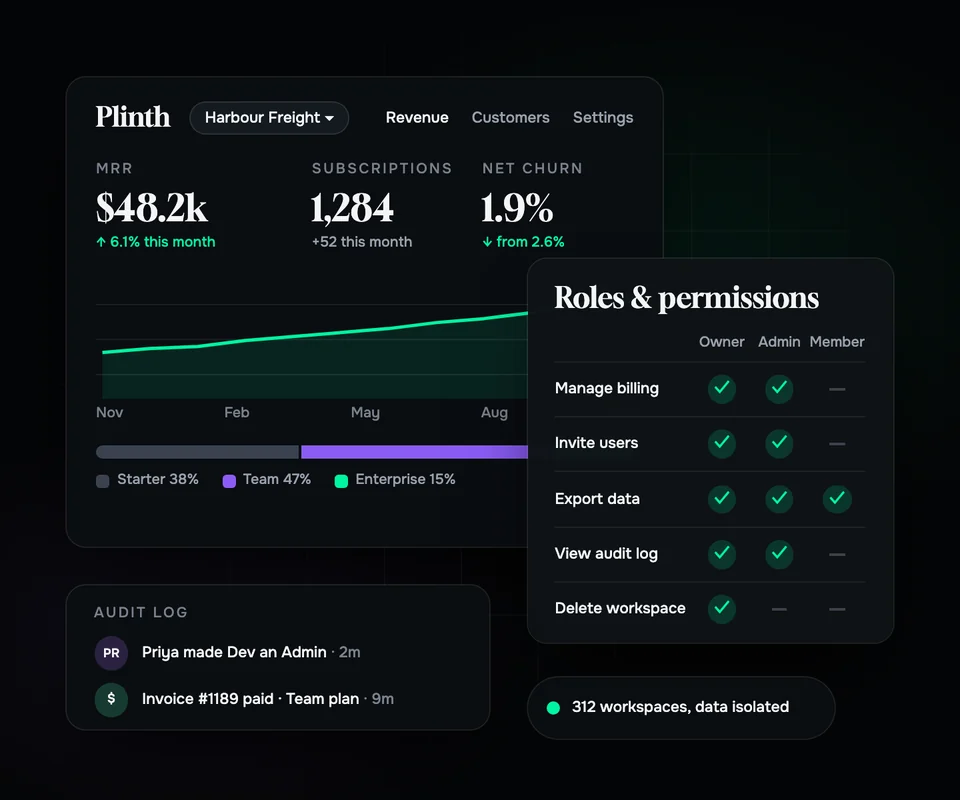
One codebase, end to end.

Consumer apps, internal tools, and the backends underneath them.

  • React Native apps with native modules
  • Flutter apps for animation-led interfaces
  • Rescues of hybrid apps that lag
  • APIs, integrations and data pipelines

Much of our product work sits under an NDA. Everything in the portfolio was built by the same engineers and is live right now, go and prod it.

See the portfolio

06Why Syscodes

What clients say after comparing us with agencies that only sell one answer.

Why teams pick us for hybrid.

2

routes always costed

We will talk you out of hybrid

We scope native alongside it and show you both numbers. About a third of the apps we ship end up native, which is the whole reason the comparison is worth doing.

Native

feel, shared code

It should not feel hybrid

Platform navigation, platform gestures, platform keyboard behaviour. Sharing a codebase is not permission to stop thinking about the phone in someone's hand.

Every

sprint, floor device

Measured on cheap hardware

Frame times and cold start checked on the slowest agreed device every sprint. Hybrid apps fail on mid-range phones long before they fail on a flagship.

0

rewrites forced

An exit to native that is not a restart

Structured so one screen, or one whole platform, can be rewritten natively later without throwing away the backend, the analytics or the design system.

10+

years of team experience

Senior engineers, no bench

The person in your scoping call writes the code. Nothing is handed down to someone you have never spoken to.

100%

ownership from day one

Both accounts stay yours

Published under your own Apple and Play accounts with the repository in your hands. Leaving us costs you nothing but the notice period.

07Clients

130+ brands across 20+ countries, from pre-seed founders to national operators.

Teams whose apps we ship.

AttackleticsApplied Vision BaseballCocoon CareGRH KratomMindPandaDiego's ChocolateTotalSnaccKaromi CraftsKampuraKing K KratomGuD TonicsCocoaTown
1 / 2
“I would absolutely hire Syscodes again. Their Shopify expertise, clear communication, and reliability made the entire project seamless. They brought valuable ideas and recommendations that genuinely improved the final result. Professional, responsive, and highly skilled, I couldn’t recommend them more highly.”

Nicholas Silverman · Founder
Nicholas Silverman · Founder★★★★★Diegos Chocolate
5.85%

conversion rate

“Great experience working with Syscodes on our CRO-focused website redesign. They understood our goals, improved the user flow, and delivered a better design. Communication was smooth, deadlines were met, and the whole process was very professional. Would definitely work with them again.”

Laron A. Walker · Founder
Laron A. Walker · Founder★★★★★Legacy Line
+38%

sales

Not sure where to start?

Ask us anything before committing to a call. Most questions get a real answer within a few hours.

Book a free consultation

or WhatsApp +91 70034 16634

9.9/10 client score · 150+ projects · 100% on time

08Engagements

One codebase is usually cheaper than two, but not always, and not by as much as it is sold. Every engagement is scoped after a free consultation and the written proposal carries the number.

What hybrid app development costs, and what shapes it.

Engagement

Cross-platform MVP

  • One defined v1, both stores
  • React Native or Flutter, chosen with you
  • Both submissions handled
  • Analytics wired before launch

Most chosen

Hybrid build

  • One codebase, two stores
  • Native modules where the phone needs them
  • Performance floor device agreed
  • One release train

Engagement

Hybrid rescue

  • Audit before any commitment
  • An honest fixable or not answer
  • Performance work on the floor device
  • A costed route to native if that is the answer

09FAQ

Frequently asked questions.

Framework choice, performance, cost, and when hybrid is the wrong answer.

Still unsure?

Ask us anything before committing to a call. Most questions get a real answer within a few hours.

hello@syscodes.in
+91 70034 16634
Book a 30-min call
Is a hybrid app cheaper than building two native apps?

Usually, but not by the margin it is sold at. One codebase does not halve the cost, because design, backend, QA, store submission and project time do not halve. Somewhere between a quarter and a third off two native builds is the honest range, and it narrows further the more native modules the app turns out to need.

Will users be able to tell it is not native?

They should not, and if they can, it was built carelessly rather than built hybrid. What gives it away is navigation that ignores the platform, a keyboard that covers the field, and animation that drops frames on a mid-range phone. All three are decisions, not limitations of React Native or Flutter.

React Native or Flutter, which should we choose?

React Native if your team already writes JavaScript or TypeScript, or if you want the larger hiring pool later. Flutter if the interface is heavily custom or animation-led and you want it rendered identically on both platforms. Neither is better in the abstract, and we pick it with you in week one rather than defaulting to whichever we used last.

When is hybrid the wrong answer?

Heavy on-device processing, real-time video, background location running for hours, deep platform integrations like HealthKit or a watch app, and interfaces that must hold 120fps. If your requirements sit in that list we will say so during scoping and cost the native build instead.

Can we move to native later without starting again?

Yes, if it is built for that, which is how we build it. The backend, the API contracts, the analytics and the design system all survive. You can rewrite one screen natively, or one whole platform, while the other keeps shipping from the shared codebase.

Will both apps launch on the same day?

That is the point of one codebase, and yes. One release train, one QA pass, both submissions handled here. The usual reason a campaign lands on iOS a fortnight after Android is that the two apps were run as separate projects.

What does hybrid app development cost in India?

There is no price list, because scope sets the number. We scope every engagement after a free consultation, cost the native alternative beside it, and put both figures in a written proposal along with what would move them.

Who owns the code and the store accounts?

You do, all of it, from the first commit. The apps are published under your own Apple Developer and Play Console accounts rather than ours, and the repository is yours. If you leave us, nothing has to be transferred.

Where are you based, and can you work with us outside Kolkata?

Our studio is on Chowringhee Road, Park Street, and Kolkata is our only office. We build cross-platform apps for clients across India, including Mumbai, Delhi NCR, Bangalore, Hyderabad, Chennai, Pune and Ahmedabad.

Do you work with clients outside India?

Yes. We have delivered in 20+ countries across five continents, and we commit to four guaranteed overlap hours with US Eastern (18:30–22:30 IST), with a full overlap for the UK and Europe. The names are in the contract.

10Start a project

Let’s scope your app.

Tell us what the app has to do and which stores it has to reach. We will cost hybrid and native, and send both inside one business day.

  1. Within 1 business dayWe read it properly and reply with real questions, not a templated brochure.
  2. A 30-minute scoping callFree, no obligation. We tell you honestly if we are the wrong fit.
  3. A written proposalScope, timeline, deliverables and the success metric, all on one page.

You'll hear back from a senior lead, never a bot.

    What do you need?

    NDA on request · Details never shared

    Question about your project? Tell us in 30 seconds and a senior lead replies.